
recycling in Cuckfield

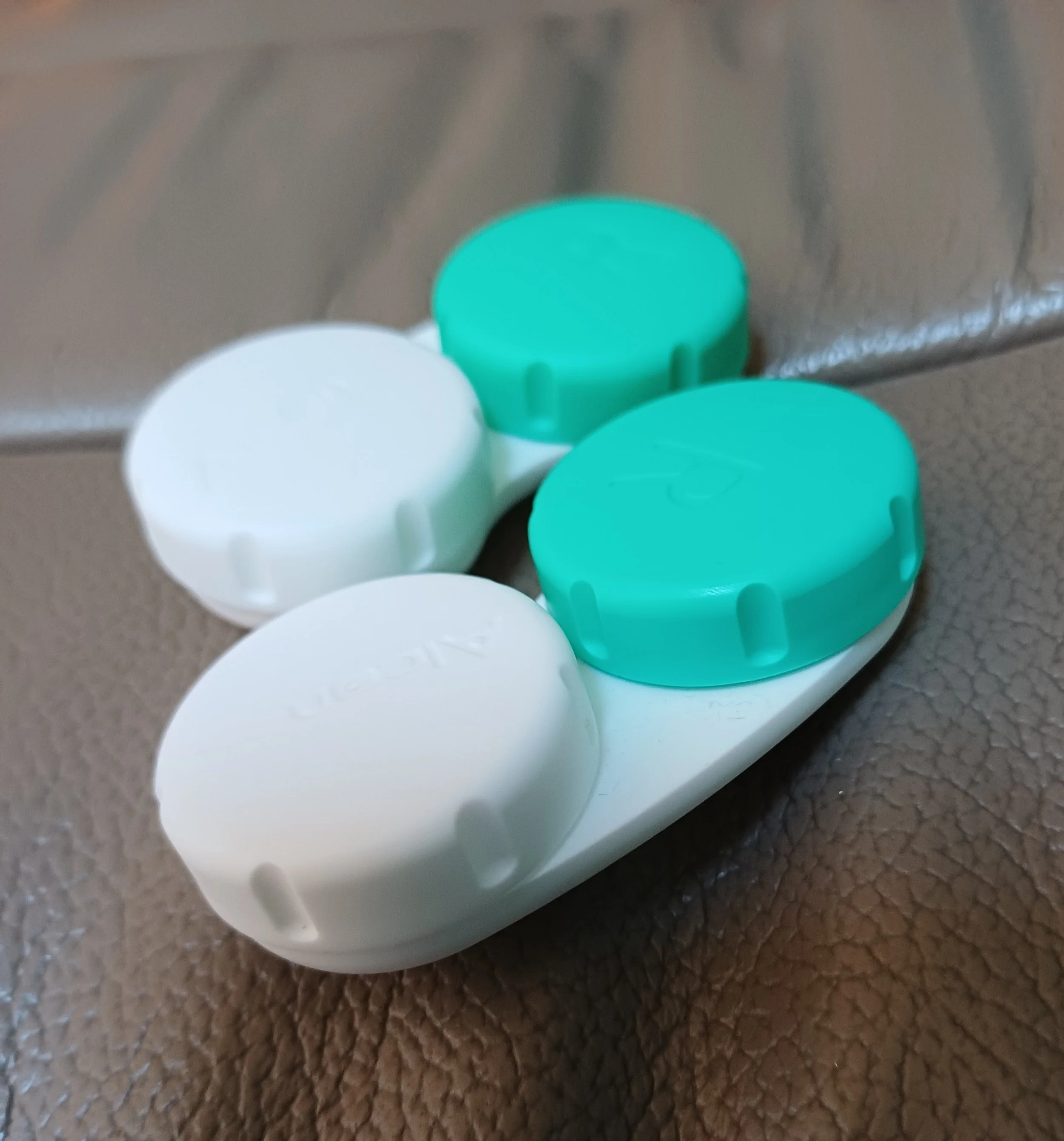
Plastic contact lens cases

Is it possible to recycle plastic contact lens cases?

Unfortunately, they cannot be recycled in your blue top recycling bin.

Take to Specsavers. They allow customers to recycle unwanted glasses, sunglasses, cases, contact lens packaging, solution bottles and other optical waste, regardless of where the items were originally purchased. They expanded the scheme in June 2026.

Originally launched in 2022, the programme has continued to grow as part of Specsavers’ wider sustainability strategy. Through the partnership, MYGroup collects and processes hard-to-recycle materials that would otherwise be destined for landfill or energy recovery, transforming plastic into valuable new products.

The impact of the scheme is already significant. During 2025 alone, 72 tonnes of material was collected (that is a lot of contact lenses cases!) and recycled across Specsavers stores and laboratories, demonstrating the growing appetite among consumers for practical recycling solutions for difficult-to-recycle products.


Supermarket food netting

The photo shows a number of different nets that are used for packaging of all sorts of foodstuffs. The label sometimes says do not recycle, and sometime recyclable?

All of these plastic nets, labels and clips can be recycled. They can all go into your favourite supermarket flexible plastic recycling bin.

They are not recyclable in your home blue top recycling bin.

These bags are all are made of a similar plastic material. One explanation for the different recycling instructions is that the products have been packed overseas and are sold to many different markets in different countries, not just the UK, and it is not possible to provide recycling instructions for every country, so they take the easy option and say ‘not recyclable’.

For an up to date list of the flexible plastics that Sainsbury’s and the Co-op recycle do have a look at the following links:

https://www.about.sainsburys.co.uk/sustainability/plan-for-better/our-stories/2021/flexible-plastics

https://www.coop.co.uk/environment/soft-plastics


Food waste

Food waste collections

In West Sussex, food waste makes up a staggering 40% of the average household general black top waste bin. So, it makes sense to collect this waste separately as it is then easier to recycle.

The Government announced on 25th March 2024 that funding is available to local councils to fund the collection of food waste.
The good news is that Mid Sussex District Council will receive a grant of £1,041,808 following a successful application for funds. Councils in England will be supported with up to £295 million in funding to introduce weekly food waste collections by 31st March 2026, providing new food waste containers for homes and specialist collection vehicles.

Collections of food waste from every household will prevent contamination of other waste which could then be usefully recycled

Composting

Of course, you can compost lots of your food waste at home. You can use a plastic compost bin bought from WSCC. Here – www.bit.ly/4abK98s – you will also find lots of useful information on composting. You also can buy one from garden centres, or make one from timber.

Success with a compost heap does require a little simple planning. A good procedure is to keep food scraps consisting of vegetables, tea bags, and fruit and transfer them every couple of days to your garden compost bin. You then add grass cuttings in roughly equal portions and that is it.

By not adding meat or fish it does not attract rats.

This simple mixture breaks down quickly and so twice a year, you can empty the compost bin to use the contents as compost for the garden.

So, whilst we are awaiting the start of food waste collection by MSDC, you could try a compost heap for your own compost. If it works out well for you, then you can use the MSDC collection for meat and fish and any excess food waste, when the collection commences.